December 18, 2024
The Dow Jones’ Bad Week: Bitcoin’s Rise and Wall Street’s Pushback
The Dow Jones Industrial Average has experienced a tumultuous week, with losses mounting amid uncertainty in the financial markets. While various factors play into these declines, one clear trigger has emerged: the rapid rise of Bitcoin. As the cryptocurrency reaches new heights, it threatens traditional financial systems, prompting titans like BlackRock and Vanguard to step in and prevent a crypto-driven market shift from spiraling further.
Bitcoin’s Meteoric Rise and Its Disruption
Bitcoin has surged in recent weeks, drawing a wave of interest from retail and institutional investors. This renewed enthusiasm has seen money flow out of traditional equities and into the cryptocurrency market, disrupting the stability of indices like the Dow Jones. The allure of Bitcoin as a high-risk, high-reward investment has caused a liquidity drain in stocks, amplifying volatility in the stock market.
As Bitcoin continues its upward trend, many analysts point to its potential to disrupt traditional markets. However, this disruptive growth has not gone unnoticed by the financial heavyweights of Wall Street.
BlackRock and Vanguard: Defenders of Traditional Finance
BlackRock and Vanguard, the two largest asset management firms globally, collectively manage over $20 trillion in assets. These firms rely heavily on the performance of traditional financial markets and the stability of equities. The rise of Bitcoin threatens to undermine these markets by diverting capital and attention away from the foundational structures that these institutions manage.
To counter this threat, BlackRock and Vanguard are reportedly working to curb the crypto frenzy. Their strategies include influencing market sentiment, lobbying for stricter regulations on cryptocurrency, and discouraging large institutional investments in Bitcoin. These actions are intended to stabilize the stock market and protect their dominance in traditional finance.
How Bitcoin Impacts the Dow Jones
The Dow Jones’ recent poor performance can be directly tied to Bitcoin’s rising appeal. As investors flock to the promise of high returns in the crypto space, traditional stocks lose out. The result is a lack of confidence in equity markets, particularly as Bitcoin’s decentralized nature challenges the control wielded by established financial institutions.
For companies like BlackRock and Vanguard, this is not just a temporary setback; it’s a battle to maintain the integrity of a financial system that has long relied on centralized management and predictable capital flows.
The Counterattack: Stopping Bitcoin’s Momentum
BlackRock and Vanguard’s pushback against Bitcoin is taking multiple forms:
- Regulatory Advocacy: Both firms are reportedly working with regulators to impose stricter rules on cryptocurrencies, limiting their appeal to mainstream investors.
- Market Influence: Through their vast holdings in equities, these firms can influence broader market trends to ensure traditional assets remain attractive.
- Alternative Products: Some analysts speculate that BlackRock and Vanguard may introduce their own Bitcoin-focused ETFs under highly controlled conditions, capturing demand while maintaining oversight.
This strategic resistance aims to slow Bitcoin’s rise and mitigate its disruptive impact on financial markets.
What’s at Stake?
The stakes in this conflict go beyond short-term market movements. If Bitcoin continues to grow unchecked, it could destabilize traditional financial institutions and weaken the dominance of centralized markets. Conversely, if BlackRock and Vanguard succeed in curbing Bitcoin’s momentum, they could reinforce the stability of the stock market while delaying the integration of decentralized finance into the broader economy.
The Road Ahead
The Dow Jones’ bad week highlights the growing tension between traditional finance and emerging digital assets. Bitcoin’s rise may be inevitable, but the resistance from BlackRock and Vanguard underscores the challenges of this transition.
As these powerhouses work to maintain the status quo, the market remains a battlefield between the old guard of centralized finance and the new wave of decentralized innovation. The outcome of this struggle will define the future of investing and the balance of power in the global financial system.
Sunnova Energy (NOVA) Set for Massive All-In Short Squeeze as 36M Shares Are Shorted—200% Surge Incoming maybe!
Sunnova Energy International Inc. (NYSE: NOVA), a major player in the solar energy sector, is on the verge of a significant short squeeze. With approximately 36 million shares shorted, making up over 35% of the total public float, a rapid upward price movement could be imminent. ...
MicroStrategy can’t buy much more Bitcoin! GameOver- the “free fall of Bitcoin started!”
MicroStrategy May Face Challenges in Buying More Bitcoin MicroStrategy has been one of the largest corporate buyers of Bitcoin, accumulating over 470,000 BTC. However, recent financial developments suggest that the company may struggle to continue its aggressive Bitcoin acquisition strategy.

Trump vs. The Fed: A High-Stakes Game That Could Push Stocks Higher – Happy 2025!
This article explores how Trump could leverage his ongoing conflict with the Fed to push for lower interest rates, which could potentially boost the stock market—both an economic and political move. The battle between President Donald Trump and the Federal Reserve (th...
The Cryptocurrency Gamble -Global Executives: A Critical Look at MicroStrategy’s Leadership and – Be CAUTIOUS- we can’t find any info of origin and No way Gov’ will give any reserves- Read more.
In the high-stakes world of business intelligence and cryptocurrencies, the executive team at MicroStrategy—particularly individuals like W. Ming Shao and Phong Lee—has attracted little scrutiny despite the significant influence they wield over strategic decisions that could affect the U.S. economy. Both of these execut...
The Critical Importance of Green and Solar Energy: Why Sunnova Is a Top Investment Right Now! Happy 2025
With potencial of 350% Right now is SUNNOVA AND SUNRUN best investment! The world is at a turning point in its fight against climate change. With the devastating impacts of global warming becoming increasingly apparent, renewable energy is no longer just an alternative—it is a necessity. As government...
Turmoil in the Stock Market: Is the Fed Causing It, and Do We Still Need the Federal Reserve?
The stock market has been experiencing significant turmoil, with erratic swings and growing investor unease. A major factor behind this instability is the Federal Reserve’s aggressive monetary policies, led by Chairman Jerome Powell. As inflation concerns mount, so does criticism of the Fed’s approach, raising an important question: Do we still need the Federal Reserve ...
The rates and inflation not always connect this is way of life, the Fed is wrong and hurting the Stock market, please President Trump fix it!
Why the Federal Reserve Chairman’s Inflation Strategy Is Wrong and Needs a Change The Federal Reserve, under Chairman Jerome Powell, has been pursuing an aggressive strategy to combat inflation, relying heavily on interest rate hikes to slow down economic growth. While the intent is to stabilize price...
Sunnova and Sunrun: Unlocking the 300% Potential in Renewable Energy Stocks
High Growth and Overturn Value Sunnova (NOVA) and Sunrun (RUN) represent some of the most promising stocks in the renewable energy market, with potential for over 300% returns in the coming years. Both companies operate in a sector projected to reach a market value of over $1...

How Bitcoin Threatens the U.S. Dollar and Weakens America’s Economy, We can call it even Danger to the U.S Economy!
Bitcoin, while hailed by some as a revolutionary digital asset, poses serious risks to the U.S. economy and the strength of the U.S. dollar. As more people invest in Bitcoin and other cryptocurrencies, the demand for traditional fiat currencies, especially the U.S. dollar, could decrease. This shift undermines the stability of the dollar, as it plays a central role in g...
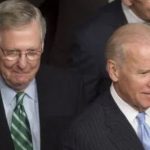
The failed Challenges of President Biden’s Leadership: Economic Instability and Strained Alliances
President Joe Biden’s leadership has been marked by a series of domestic and international challenges that raise concerns about his suitability for continued leadership. Domestically, critics argue that his administration has struggled with managing inflation, immigration policies, and addressing public dissatisfaction over crime and economic uncertainty. Internationall...
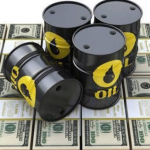
Impact of the Syrian Revolution on Iran’s Oil Strategy and Regional Influence
Highlights the dual focus on oil industry impact and geopolitical shifts, Focuses on Iran’s losses tied to Assad's overthrow. Impact of the Syrian Revolution on Iran’s Oil Industry, Regional Influence, and Its Beneficiaries
Bitcoin: The Greatest Pyramid Scheme of All Time
Let’s talk about Bitcoin. The so-called "digital gold" that everyone seems to think will make them millionaires overnight. Spoiler alert: it won’t. In fact, it’s just one big, flashy pyramid scheme, and here’s why. First off, what...
OPEC+ IS STRONG! IRAN IS DOWN, OIL WILL BE UP , even if the stock will go up in USA- The victory of Mohammed.
Again, the great Saudi Arabia and the United Arab Emirates showed us what is friendship really is! and again they get into a great deal that done to quick to believe, and they didnt give the market even a month to rumble and tumble!
GREEN stocks for today and end of this month! HERE WHAT YOU NEED TO KNOW.
we know the medical situation is not yet understandable so we think medical stocks will go up -> ABCL, MOR, FGEN. ABCL -AbCellera Biologics IncFirst, we have ABCL stock that we already made big money when we sold 33 and now we bought 18 after we know the company is making affords to be bigger w...
MBS VS MBZ, Mohammed Vs Mohammed! uncertainty drIve us off the USA oil stocks keep only into transportation and storage like NGL NO XOM, CVX, APA, OXY, COP!
Saudia Arabia vs the United Arab Emirates and oil price on fire today! who will win between those two friends and if it will be the end of OPEC? of course the biggest Winner is ->King Putin with his friends Iran! Again war, now between two of the greatest nations, two of the greatest friend who lost so much in the pa...

Stock That can jump 20-400% in day NGL!
Yes, Here we want to show you one of the greatest companies in our portfolio and why we believe in it! A giant that now costs 1/7 of what it really costs! NGL Energy Partners LP engages in the crude oil and liquids logistics, and water solution businesses. The company's Crude Oil Logistics segment purchases crude oil ...
Chinese Companies be aware!
Yes there is good Chinese companies but we right now have a regime that we can't be sure about! Here is some revive. We know GREAT Companies like Didi like JKS, they solid they strong, we bought JKS 40$ sell 58$ but with this Economical war going on between China and USA we can’t be sure if we again hear bad news like...

The new Regime with one word
Hate the rich, Hate china, hate the Jews. money to everybody like it was only ours. Don't invest into progress and invest only in the public that most hurt America - AKA Iran, Latin people (who is taken jobs from the American real citizens). TAX the rich, They scream like crazy but they don't want just to Tax them the...
Senate Passes 1.8 B$ BILL, DONT SELL STAY IN STOCK MARKET.
Go all in, for two days the stock market will be green because of more money to the people. Here we tell you where to put and where not, as we think. Of course, now Reddit will be blown but passing the bill is not yet money to people, its money to people in 2-6 weeks - this why we do not recommend the all in Reddit st...
Stock Market, Hammer Green energy stocks here are our view- and new opportunity opens.
We all notice Tesla -40% in Value but this is not the only one. All GREEN ENERGY STOCK goes so much JinkoSolar (JKS) is now 38$ from 60$ this is still a company with so much potential March 11 will be the new green bit consensus report. SunRun (RUN) 48$ - all wall street nerds tell it will be 90$ in 1 y...
Oil Giants still ruling the kingdom! here’s what we see
Oil up, of course by the Saoudis who still cool of the market out of the fuel but what is happening? why? This because they can see how much up it can go and then they will start producing - while we can make the price up we will keep it to go up, yes maybe we lose some money right now, but this is like an investment ...
Why some hate Him and why we love him The Genius behind Tesla Elon Musk!
Elon Musk is a real showman, one of the only people who can take a company that worth 60-120 B$ and pop it up like a Monster Super Baloon that worth on paper 600-700 B$ and yes we believe that it will pop up but listen, people, even he sold some shares. He is a great showman, once he was considered as a clown (like to...
We Forecasted that oil will fall but yet we still don’t know when and now we keep on telling you to Stay OUT, Here’s why!
In less than 48 hours will be the next OPEC+ ministers meeting, Last few times all of the countries (The majority) were U.S FRIENDS but right now President Biden Screw it a little bit so THE USA OIL-SHALE may be in danger and you will see today maybe already 59$ WTI. King Putin, Prince MBS, UAE, all already mad on Pr...
Quick money -they call them little kids but we believe in those people that will make GameStop and AMC pop up. We tell you here how and when to enter and more great stocks!
In the stock market, there is always an opportunity just from nothing - once it was oil, gold, electric cars, now it to make the cheap nasty expensive, but notice its yes dengerous! AMC- enter 7$-8.2$ sell 10-11$ it will be one day- one week so quickly out of 10k you can make 20 or more if you succeed like us to make ...
Till they move we will die too late, only now house agree for the Biden’s $1.9 trillion relief package including $1,400 stimulus checks. some forecast also with new variants.
Pelosi takes it too easy, too calm like people weren't dying, there is still a pandemic in the air and 65% of the economy is in its darkest night. and now with President Biden, the night will be darker, and here's why. Yes we can see a LOT of green but also some reddish charts next week of course the green because of ...

Why we tell – SELL oil stock and the mistakes of President Biden that will burn the USA OIL Industry!
The mistake and war that president Biden with his false democratic perspective can bring the war to the USA and here we will tell you why and how of course it's only an economical war, while some tell USA economics is the strongest I tell why do you want to check? you want people to suffer? Why it is so Important to ...
Penny stock with the potential for 100% in 1 month- for example NGL
Here we find for you some stocks that can change your life, of course, this is only a small blog review but as usual, we try our best for our readers. NGL Energy Partners LP, (NGL) This is worth trying and stock that fell 80% from 10-11$ now it's 2.4$ if it will return some 2.4$ it is 100% from 10K$ ...
Someone pumping up OIL price?
In the last report, we notice 1MB Build while the expected 5MB drop, yes we also expected build as we posted few posts ago, but it is really big but and let's talk about it! The oil industry should not be that strong right now, its right now even more than pre-pandemic and there is too much of it and we just store it,...
We were right with Tesla and OXY and here’s their real value and why!
In the past two weeks, we see Tesla (TSLA) stock down 20% from all times high of 880$ per share, right now it's less than 717$ - almost exactly 20% drop we will tell you now, how much it's real value and explain everything. also, we have noticed the super loss of Occidental Petroleum (OXY) - today announced a net loss attributable to common stockholders for the fourth ...
Signs of freeze in the oil market
Here we notice some big lakes of interest in oil in the oil market and particularly in the exchange market, here are the signs, and here is the reason why. In this image we see how low is the volume of Barrels in the stock exchange and we can feel the pressure of it, yet we see spikes up, but it will go down hard, tak...
This Week some Red Charts in our eye! – here’s why
The dear U.S.A will get to the 500k death toll from the Covid-19 Pandemic and we will see this news quite much and when is too much bad news stocks go down a little BUT THIS IS NOT ALL AND HERE WHY! We already heard of the new Dangerous Covid-19 Variation and some believe that the Vaccine is not strong to block it too...
Occidental Petroleum Corporation (OXY) report and what we think about that giant.
One of the major Shale oil producers will show what happen in this difficult times, yes we still don’t believe its all over and Today we will see how strong one of the Major companies got hitted. Today in few hours Occidental Petroleum (OXY) will publish its POOR report, and we will see how deep one of the major oil s...
The Saudis are really angry and maybe will crush U.S. Shale, Same are UAE and the rest of OPEC+
We believe 61$ is the peak and The Saudis after what happened with them (Attack), Stop the Cuts and with Biden Help to angry them will do their job to avenge and create a new kind of a finance war, and here is the Story! Those Countries have more oil than water and yet President Biden made real 4 big mistakes already ...
OXY stock and why we SELL some big share
OXT (Occidental Petroleum Corporation) was almost 26$ for the first time in almost 12 month what happen with this giant! We needed a prove when to sell and the stock was really high 26.7$ and right away OXY Announce dividend of JUST 1 cent! is it all so bad? so we say we won't take risks and sell. on...
We see oil almost 54$ for WTI till the end of February.
Here we give some reseasons why we see oil ~54$ and what will follow after! of course, this is after as we said 59-60 touch! The first reason is too fast it flew up and what's going up has to go down (at least a bit) so we see 1-3 dollars below the top mark 58.5 so we get 56.5$ but this is not the end.
We think 800k file for Unemployment here’s why!
This is because the last time it was too good, so we say too good to be true and this time it will be true, also because of other key elements. First of all, it was too cold in some states to stand in line for unemployment so a lot of people postpone it a little, and this is only the smallest of the elements.
It’s time to sell oil and all other stocks! too high too quickly and here also why!
We are at record height in the stock market and still in a pandemic but there are other key elements we show you that can tell sell! The no 1 key can be news of new Variants and if there will be a news broadcast that tells something like "new Covid variant the vaccine does not work" it will make a huge sell-off. Other...
Between Red and Green stock market in the U.S.A
Stock mingle between red and green colors, with records heights Verses Covid-19 rapid vaccination with over 1.2M people a day. We also didnt forget new Covid-19 Variants. We see investors take their money today from the stock market with record height, but some still buy, they believe Vaccination is here and we will g...
Super good EIA report! but how much longer will be the strike?
6.6MB drop in oil in the past week, oil keep climbing as we told you in several posts ago but for how much longer and what is happening with opec+ read here, also what was bad in the report? The EIA report was generally good 6.6 drop-in stockpile but! " Total motor gasoline inventories increased by 4.3 million barrels...
This week will be the last strike week of the positive oil charts! till next month!
We always ask how much it can go higher? we always ask when EIA report will drop again? here is small review of what we think will be and we always right. Yes, right now we at selling points! in our oil stocks, OXY, MRO, DVN, APA For example we said in our paid post 17-23 buy OXY 23-27 Sell and it will jump between th...
As we told oil adds and back to normal!
It is not yet the price but we can start to think to sell! OXY, APA, DVN, MRO Added ~10% in one day because as we told America back to its no 1 place in the world of economy and soon when all will return, still we want to see the next EIA report! we bet it will show a drop in inventories. Also we have to see V...
On this week -50M Vaccinated just in the U.S.A and don’t forget stimulus ahead!
We will see again how a big nation rose from the disease and standup to what WAS the Greatest blow since WW2. and we will feel it in the stock market! America will be great again ! let's see the demand and production in China rose 3 times let's see how it will rose now in the USA After China attacked with Coronavirus...
On this Week – OIL WTI 58.8$ Brent 61$!
Open successful cuts, uprise in demand, and the big Biden "NO" To IRAN! and one of the biggest oil countries will stock with no sales- This what big funds were waiting for to go full-in! We were waiting to 57.5$ to be closer to the end of the long-empty war in oil majors lead by Russia and Saudis, we don't know if any...
Jobs report: Economy added 49,000 payrolls as the unemployment rate dropped to 6.3% as we thought will be in January!
Stock rise in all fronts while The U.S. shows continue wakening up, yes some thought it will be more - like twice but soon we think next month it will be 80K new payrolls. Oil pass 57$ today and we see strong demand as also we notice 105k Volume already made in this rate 56.5-57$, 20% more than average, so we can see...
Why everybody wants oil high including Elon Musk!
When do electric cars will be consider cheap? 45$ will be better for an electric car than a gasoline/diesel car. so Elon musk needs more oil prices to be cheaper than oil cars. The real problem is with hybrid cars. this is really fighting for what is the better cost per mile or per km. If the new Toyota hybrid can do ...
New weekly unemployment rates they think 830K we think 805K or less!
America in signs of waking up, more Vaccine, already 35M vaccine doses so we see a small decline in unemployment rates too and the green color will be a little better today! We don't know wherefrom all the people take their data but, yahoo and other websites always see a grey future, we see hope and prosperity and rel...
Next, EIA will be even better here’s why! and war in AMC and Gamestop! Also small tech review.
Oil added 1$ as we anticipated but this is not all, what we check is what we bring and we have already a glimpse of data to next week's EIA. right now AMC and Gamestop have investors fight and as we were right yesterday when we were 89% succeed we will tell you what we know and when who is the stronger fight ends? and what happened in the tech!
Oil 55$ and maybe more today here’s why! also guide for what to do in the stock market!
3 REASONS oil will rise till at least next week, this article is also some guidelines for what to do in the stock market! First of all, we not promise success but we try our best for our readers so think not only read our words. Now today we will see a drop of 2.5 MB of oil from the EIA REPORT this will hold the oil p...
Know when to exit Amazon CEO and Tesla News
Amazon Legendary CEO Jeff Bezos decided to get out at one of the highest rates ever his child had come. it was a good year for the tech but he also knows, google owners also know, you can feel it also with Tesla its the highest point. The covid year did great for the tech giants but know when it will be over, malls, r...
STOP with GameStop! AMC!
SELL QUICK! These two companies over ballooned! here's why! rates that we give before the market opens! AMC got its 1 billion dollars that will give it time to breathe but who told Covid is over and we will go all tomorrow to see movies or play games so it's overrated and if the market especially movies not comeback t...
OIL Soar up! pass 55$ Brent may pass 58$ and this is not all! EIA we think will show a drop! Thanks to opec+ and whether!
While New York city froze in one of the biggest storms we will see the real way to burn energy and it will be with oil energy and we will see a huge Drop today and tomorrow! also OPEC always know what it does so we will see today in some stocks maybe even more than 10%-15% rise and it's including OXY, APA, CHV, XOM, COP, BTU.
Last 2 Reports what they say and what we say!
We told of a good EIA report because last week was not so good and its 4 good and one not so good because yes we see only 5% more in inventories than last year, another Better report than all Stupid people predict another 875K jobless calami's we believe 825k.We hate it when people make panic before reading the reports? the stupid newspaper reporters that know o...
Prepare to buy what we see in the future in the stock market
Before the damn all waited Stimulus we will see few things that can be a real deal - prepare to buy! We see the aviation industry on its knees again and if UAL will be 35-30 this is a strong buy! this worth 46$ same for oil right now APA 15 Strong Buy it worth 30$.We also see AMC will be back to 4$-6$ dollars ...
Biden Presidency begins – the stock market feels the pain! envy old Joe to harsh! you will make China Stronger than the USA!
It will be very hard to navigate in the stock market when the man in charge is no care about businesses and doesn't know the USA strong because of its economy! and yes Coronavirus is both a health crisis but also an economic crisis! First of all, Let's harm all the hundred thousand people who get their pay from the o...
Bitcoin lost 7-10% in one day!
Did you see another coin that lost so much without reason in one day? it looks very bad. We say the biggest ponzi scheme ever be maid, people buy something they don't know what it is without a stop and they even cannot use it and then it dropped 10% in few hours, it raises some question? who is behind this if it (bitc...
New Big DAY, and vaccine shots counting!
today will be published two big reports, first, the jobless claims report and the second is the EIA report both may be very bad as analyst think, but we think otherwise. Yes, we also afraid that it can be like that but we hope for a better future with new news of more than 54.3.3 Million shots given already, this is j...
New President’s new perspective!
We now biginng to change prespective into oil some other things you sould know!. The new president will do what his advisors tell him so we will start to fill change not so quickly, yet he already closed the Canada oil pipeline and back to WHO and another 2 quick things we wait for its stimulus and vaccine, as the ne...
Congratulations to the new President and stimulus, stimulus, stimulus this is what will be today!
We congratulate Joe Biden - The new President of Units States Of America, we wish him good luck and the markets feel already it! with green everywhere and oil back to normal with 53.6$ and we know you will give the Stimulus and money for people and the markets! With the hope that the new President giving us the so lon...
Stocks and the way To be a millionaire!
In This article for the first time, you will get to know the investment strategy to be a millionaire just in 5 months time, we will cover Stocks and times to buy and sell them,! of course, we can be wrong but we try our best for our dear readers and be careful with us continue to write. Yes, you need 5,000$ - 100k to ...
Oil market review
Oil steady on 52-54 as we told before no need more worries this is a good investment and this is winter, now who is asking the batteries of the electric car get the electric energy that also from oil, now we tell - "hay you ladies and gentlemen's we are only 50% workforce and oil 53$" Whoever told that electric car w...
What will be in the stock market?
First of all the fear from the previous week will vanish! second new President! Third new Stimulus! and next, a much softer approach that can bring Chinees investors fully back! and we also think 2 good reports job report and EIA! but also not forget we have a vaccine! So much new news for this week, we will have a ne...
False Alarm? what’s ahead? Stimulus? Inauguration Day?
Because of fear from chines lockdown major sold-out and frize in oil cost and in all major American stock, so what happened? In Hubei District in china was new 90 cases, this led to news of major curfew what led to fear in the stock market and sold out of 3-7% but on Saturday when there isn't any stock market chines g...
Dollar, Corona still here but wait here’s more! oil news!
Yes, a lot may run because maybe, just maybe china got afraid but The Vaccine is here and we believe in good because Stimulus Stimulus is here! Yet fight against Covid on the roll and we are telling you now all in because in half-year to 10 months all be over. After all, will be over the need for oil will be back...
Cold and Oil price is a love story and we see it in the cost! here and more.
We can see oil strongly 53.2 right now WTI this is all because the weather and the smart Soudies and Emirates prince! we see another jump in stocks right on the first day of Biden's Presidency! so please not this will be two major days for oil, one is no more President that is so noise this is a quiet friendish old ma...
Go OXY Go APA 2 our STOCKS go up 6-8% a DAY SEE ALSO Why here, and why this is not the end.
Two weeks ago, We told this comapnies is great and strong, here we also tell why. Yes, Not only We use a little bit of AI but yes there is a little changes in this companies that everybody should know . First of all, APA was 30$ pre-pandemic OXY was 40$ and this a...
New Gift for OIL price
After last week we tell we can see oil 52-53$ for WTI and we were right we was thinking it was very very fast but we didnt think that there can be soo good winter season for oil while third of china and 1/3 or USA froze and this will hold the oil price as it is today. Another thing is the vaccine that tells soon Covid...

Why Facebook (FB) and Mark think U.S GOP LOSERS
Long waited Mark Elliot Zuckerberg for the GOP to be replaced, Long he was waited for the Democrat's to get to the Whitehouse, the House of representative, and to the Senate , this is like a dream for him and for FB stock and we can say why! The republicans hate how Mark threet the users data, and hat...
Today! Jobless Report, Vaccine roll in! Trump.
In a few hours we will get the new jobless report, we except for new 720k or a lot more than 850k people seeking a job in the USA, it's much less than anticipated and much higher but we can start to feel the Vaccine change! In the beginning, we expect much lower Jobless claims in the US, which will make the stock mark...
Good EIA report, and more.
U.S.A inventories out of danger of been over the shores again and all oil mess are over. OIL STOCKS BACK AGAIN.U.S. crude oil refinery inputs averaged 14.7 million barrels per day during the week ending January 8, 2021 which was 274,000 barrels per day more than the previous week’sAnd the biggest lines that we intisipated is those
The House of Representatives debates an article of impeachment for President Trump over the Capitol riot on Jan. 6.
Huge shame on the USA, it's NOT HAVE TO BE ALWAYS LIKE THAT, yes President Trump was mistaken but we have to ask why so many people were listening to him? because he had some good points the Dems and the Reps almost didn't work giving a lame stimulus after so many stupid debates and meetings, the one who has been punished is McConnell and Pelusi.
Intel and what with it?
Intel CEO goes home and not just this the stock didn't move since the last 2 years so much and Robert (Bob) Holmes goes home in February 2021, not for that for more and let's see why? Intel (INTC) acquired Israeli company Mobileye for 16B$ Why? some say it worth much less than 4B$ it will take more ...

Why Apple announces racial equity and justice initiatives as part of $100 million program
Apple announces racial equity and justice initiatives as part of a 100$ million spend program, and we just say it's all for the spot lights! Long we didn't hear abought the tech giant who is going so high much above the sky and the real price, and it has to keep dancing in the tech show business, this is another examp...
Again we wait for another good Weekly Petroleum Status Report- EIA Report- Hold it!
From week to week we wit to this report, it will say today if oil will continue to go up or there will be a little slide, but we think it will be a good report and even have a big indicator for that - and this is week dollar that making more and more people buy from the USA this, of course, good for all countries because the WTI and the New York stock market always was...
We were right but please hold the oil stock a little bit longer, you will win more! On Monday we put an article with penny stock with a 15% dividend.
On Monday we will give 3 stocks that make you a millionaire out of 100k. We also have one stock with 15% dividend that will be published with the market now it can go up 100% in this 2 month. WE see the Oil market but ahead is also New President Biden stimulus plan...
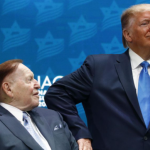
Casino mogul, Sheldon Adelson who built one of the largest fortunes in the United States died, RIP!
Sheldon Adelson RIP, an American businessman, one of the most valuable contributors to all of American politics, one of the largest philanthropies in the World he made his fortune with hard work and proved the that American Dream can come true! He was the founder, chairman, and chief executive officer of Las Vegas San...
These 10 crucial days, oil up and tech down.
As we notice before - Tech went too high and where it can go more so in the recent 5 days we were right but there is still but! New BidenStimulus can make another hot air in the ballon of the tech. on the other hand, we have the reemerge oil industry from the ashes and this still has a lot and a lot way up to fix. In ...
We were right about Facebook and Twitter, and please Jack Ma Show you are alive! – runoff china!
We were right, you cannot treat badly like that President of the USA, even with what happened he is still President and he is a real person, not a machine with a heart! Another issue you don't throw away your GOLDEN EGG if the President of the USA USING privately your system is a golden egg! and if you shut it up it'...
NOT YET, Oil not yet return! wait we know it will fix it a bit, but just wait for V shape!
We all were happy when our prediction fulfilled fully from last week! but the rise was a little too quick but yet it will be higher, 2 weeks we have to wait and we have to add another word VACCINE. Oil almost broke 53$ WTI While Brent hit 55$ and we can feel oil stabilize and oil stock will stabilize this two week a...
Where are you Dollar and WHAT with my JOB? 140k jobs lost!
American people lose more and more. the dollar lost in all currencies almost and in some 10% of the value of it! and what American people worth less and less? This all comes with strange and dim Jobs report that shows that the mighty most beloved USA lost 140k Jobs and we tell you some of them because of week dollar b...
Stimulus, Where are you?
After the Democratic fiasco, we Should get at the end - end of almost 7 long months that Senator R-KY MICH McConnell WHO WAS THE ONE BECAUSE OF HIM REPUBLICANS LOST EVERYTHING! shattered our stimulus checks to just 600$. 3 months it took to the people to replace him and his party of "no people" and now the American ...
Wellcome Joe Biden, soon those sectors and stocks will lift us more.
With the Stock market Hits record Hight - almost 31200, S&P 3810, and the Nasdaq 13050, Russel almost 2100! This is so hot Wellcome and here is why! The stock market really, really afraid of TRUMPOFONICS so the feeling that goes in the stock market is, lets bring someone quiet! who cannot crush the stock market or...
Why the stock market doesn’t love politics!
In 1929, in October the stock market fell 1/4 in one day this was because of uncertainty and fear led by overconfidence too overconfidence. some times politics especially like Donald Trams which we consider was good at least 2/3 of his way to the economy, can make, Fear and Uncertainty and in this case, it better sell-off and get out of what they (the evil newspapers) c...
Good EIA report Oil report – 8 million-barrel weekly drop
Good report and the summery is here- U.S. crude oil refinery inputs averaged 14.4 million barrels per day during the week ending January 1, 2021 which was 89,000 barrels per day more than the previous week’s average. Refineries operated at 80.7% of their operable ca...
OIL UP 5% AND Stocks we recommended up, but the best is still coming in oil, now we wait tomorrow EIA REPORT and Thank you SAUDI ARABIA
Russia agrees with the Saudis and with Iran's military acts oil goes up in a few days it will be known to all, production cuts will continue as is! Now next for tomorrow's EIA report will analysts right and here we still don't know some think it will be 20 million B some 17 we think it will be 20 but still coronavirus...
Oil news and why we sure In American oil companies!
Yes, Opec + a little wait with the call of what will do with oil cuts but first of all we sure the Saudi prince will bring them all to common sense that more production no needed.
Too much care, the new Year started too carefully.
New year still Investors little afraid, the vaccine going little slower then thought and new virus mutation is on the rise. Still, some opportunities may be open soon as we believe in AMC and if its survive the bankruptcy it will be be back to normal but this is for the brave ones, we tell let's wait but remember.
The real Value of Oil
Oil always was the fastest most efficient source of energy and yes at the beginning of the Covid 19 Pandemic we were pumping it up too much from the ground mainly of course because of the pandemic that shuttered all but Mainly BECAUSE OF THE FOOLISH PRICE WAR between both the Russian leader Vladimir Putin and his close friend Prince Bin Salman Abdul Aziz who came to his...
Wall Street New Year 2021: Investors bullish on stocks, hoping for a brighter future, but still some falles ahead.
NEW YORK (Reuters) - U.S. stocks closed 2020 on a rise, and many people are betting the party will start after this crazy year that marked both the end of the longest bull market and the biggest-lived bear market ever. The future seems good, there a Vacinne on the way but we still have Covid-19 cases on the rise and ...
Bitcoin IS a Disaster, here are the reasons.
Lets begin with a phrase, how good you can sell nothing to people? and we continue what is Bitcoin and answer this ain't a good money. In a computer hack people in the darkweb aske for for Bitcoin, drug deals are being paid with Bitcoins so what type money is it ? its a big bunch of dollars sold to foolish people or c...